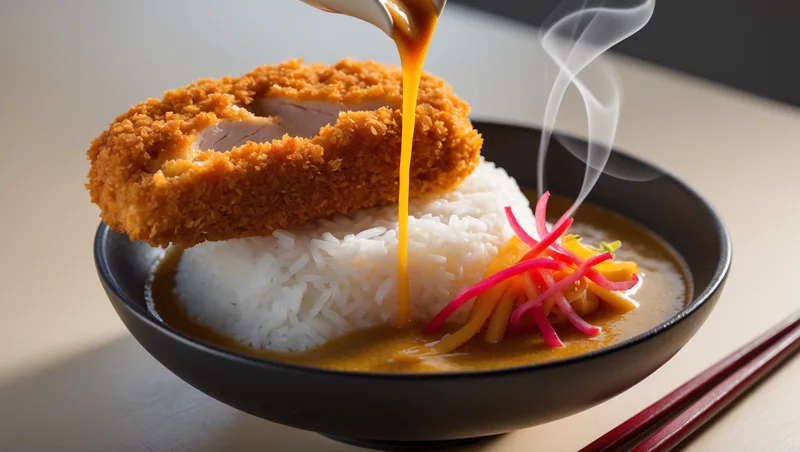
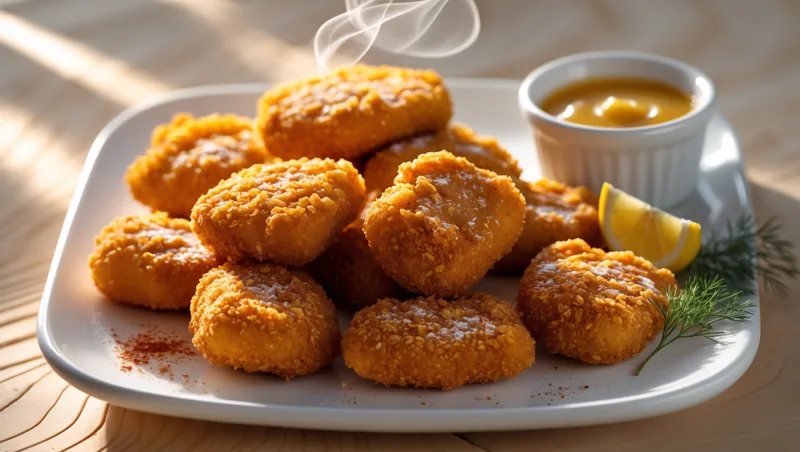
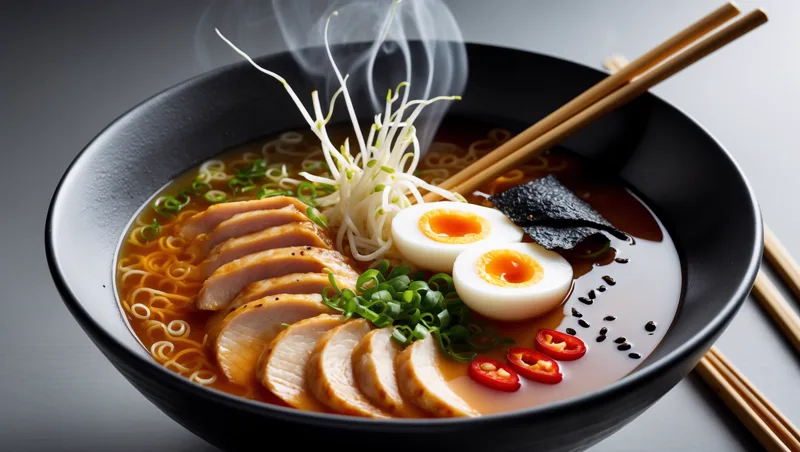
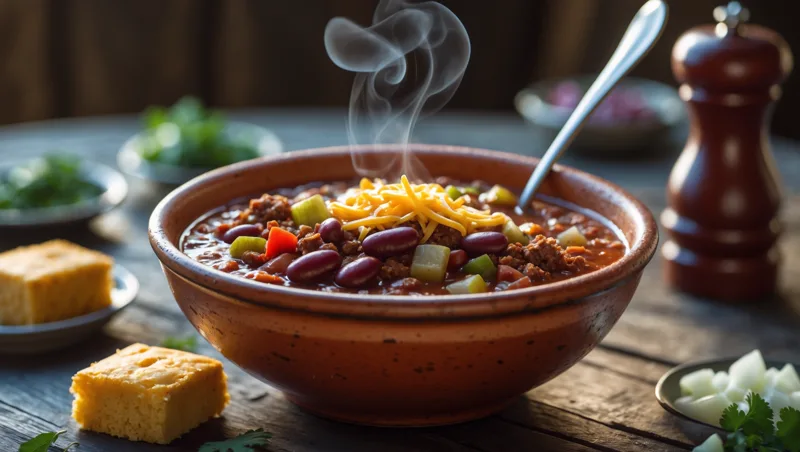
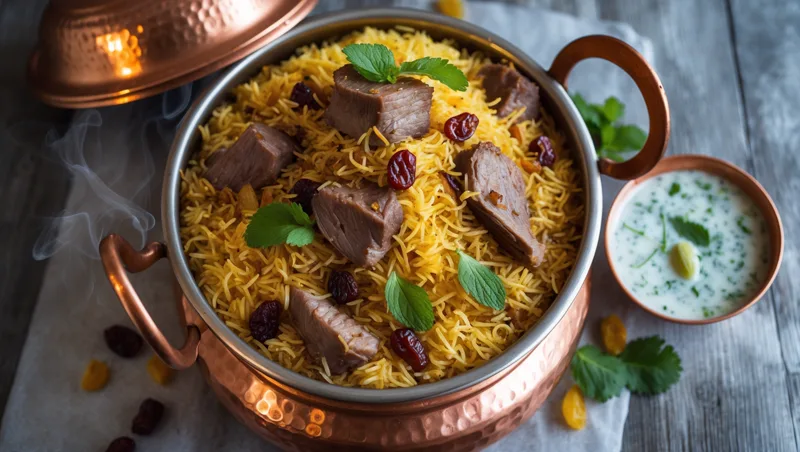
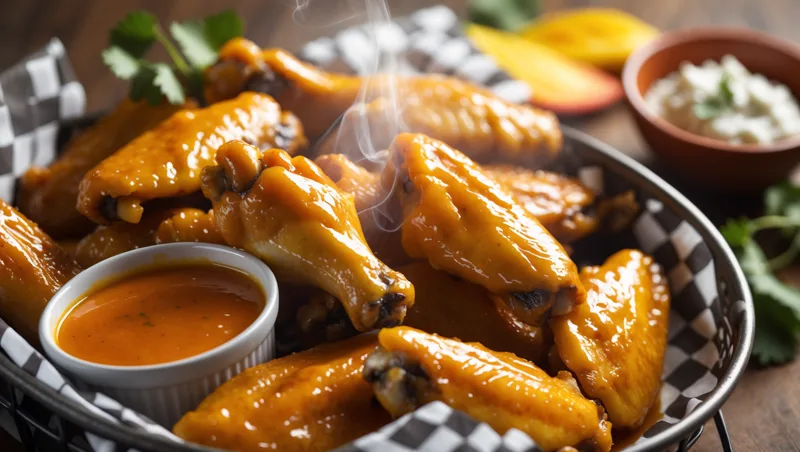
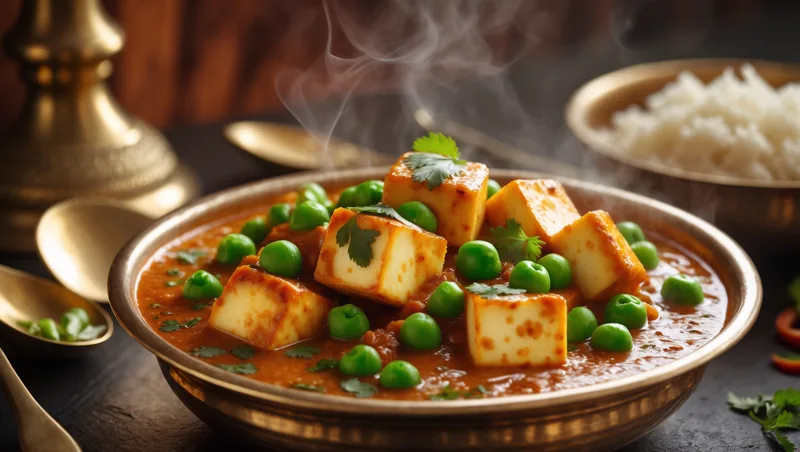
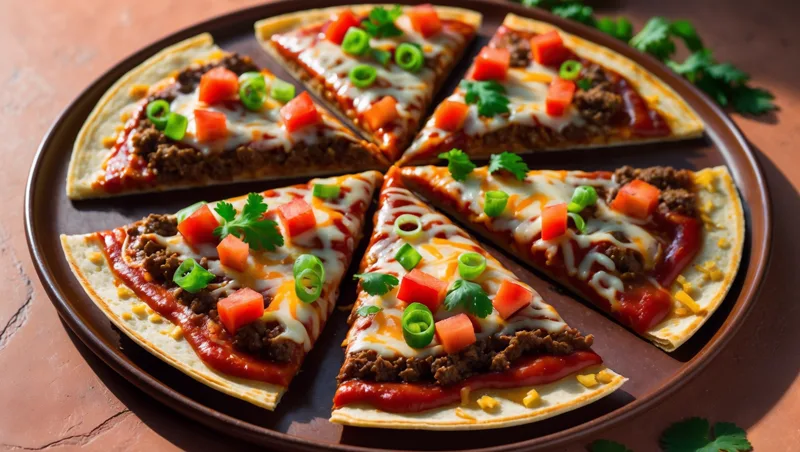
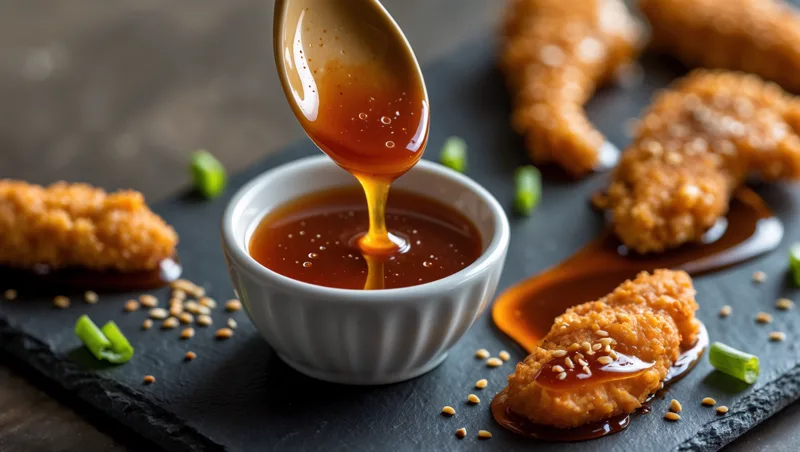
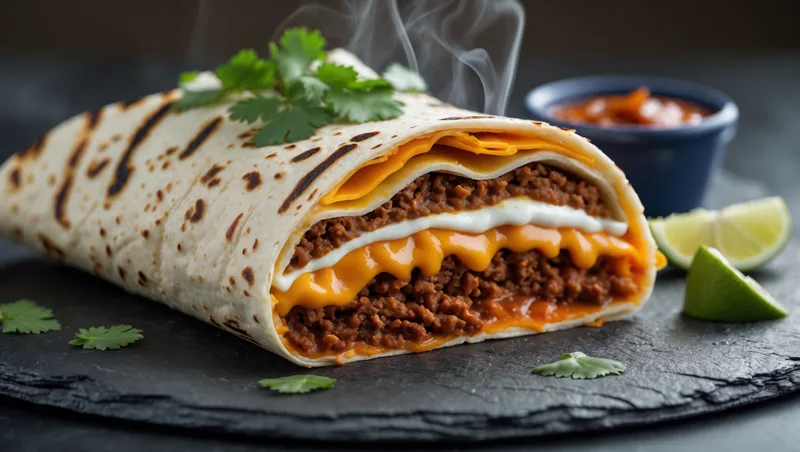
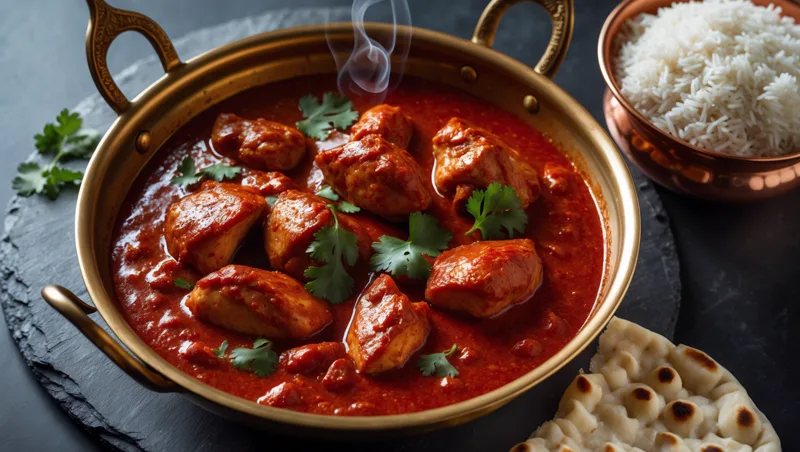
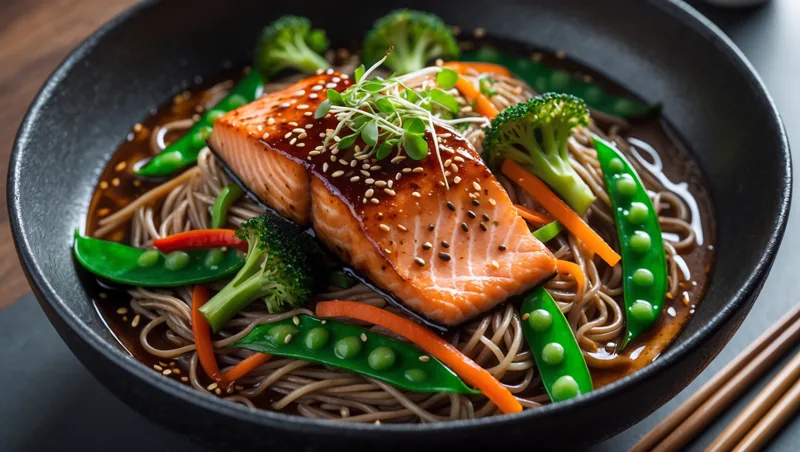
189 dishes from 16 restaurant chains, worked out ingredient by ingredient.
A copycat recipe rebuilds a restaurant dish from the outside in. You eat it, work out what is in it, and get as close as the ingredients you can actually buy will allow.
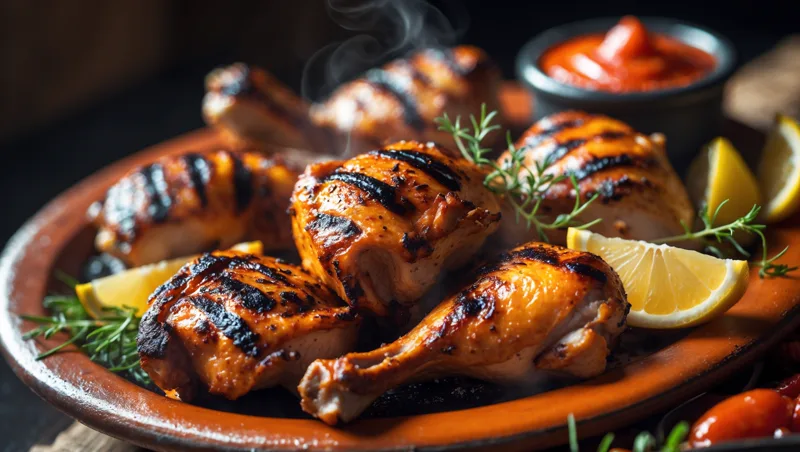
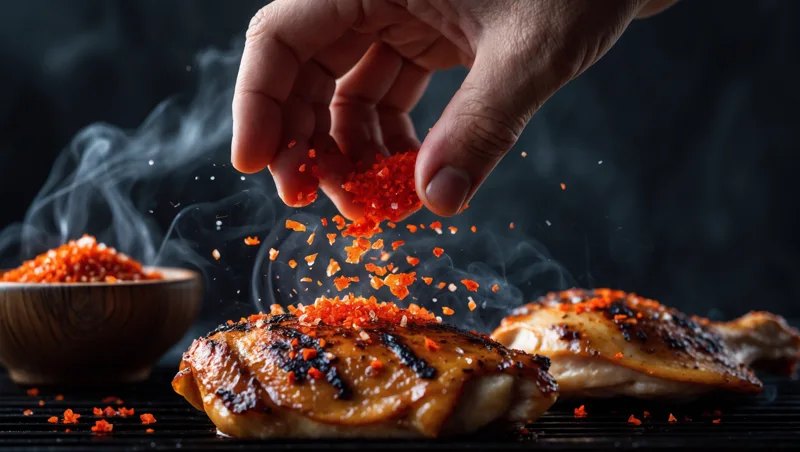
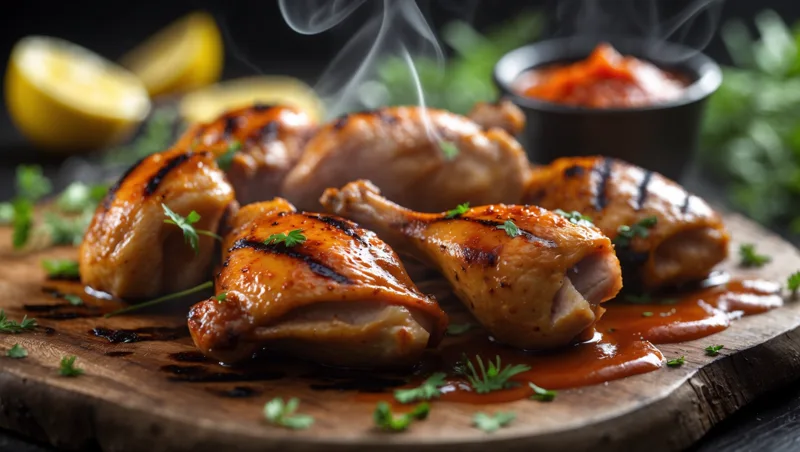
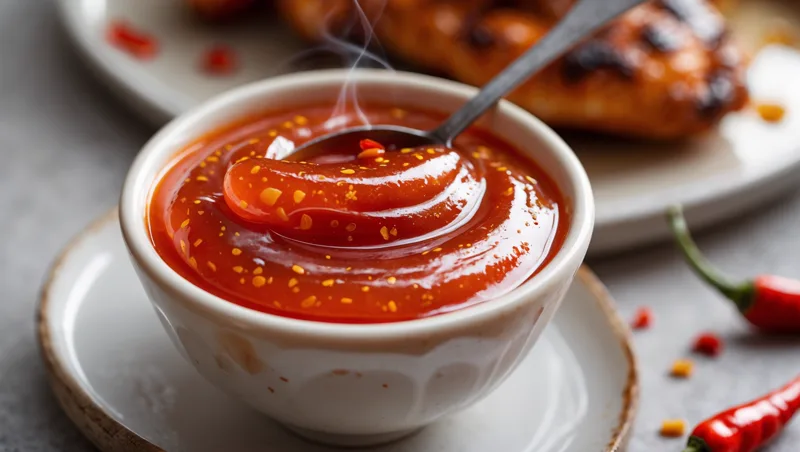
Some are simpler than they look. Nando's peri peri salt is mostly chilli flakes, smoked paprika and dried lemon peel, and once you know the lemon is in there it stops being a mystery. Others are easy to get wrong. Peri Tamer is the mildest sauce Nando's makes, sweet and smoky rather than creamy, so a version built around cream will taste nothing like it.
Every recipe here names the ingredients, explains the one technique that actually matters, and says plainly where a home version will differ from the original. They are organised by restaurant below, because that is usually how people search. The full A to Z further down lists every dish.
The dishes people ask about most, across every chain on the site.
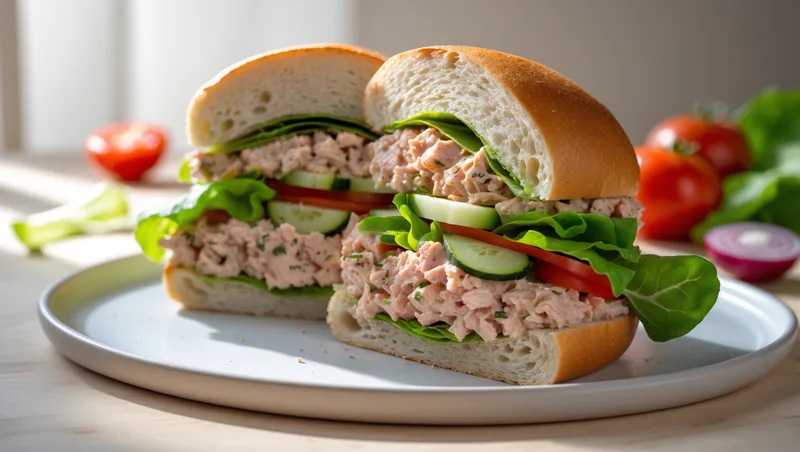
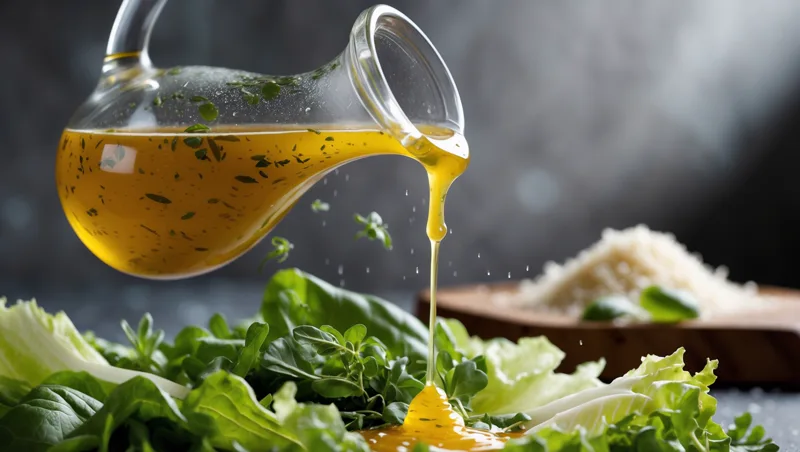
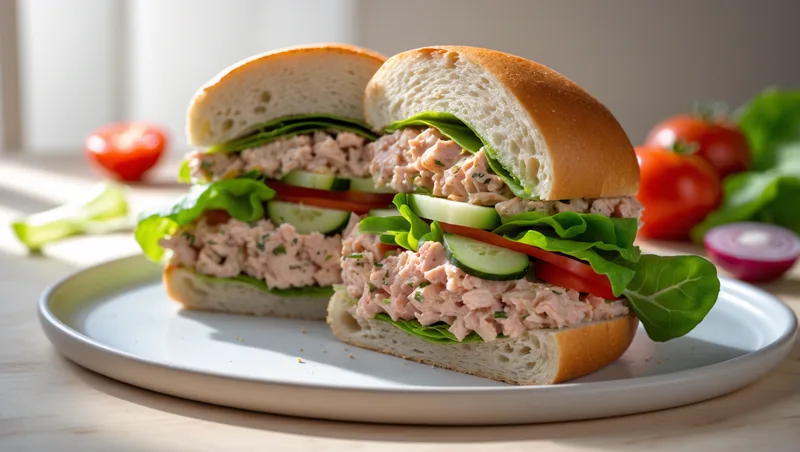
Subway's fillings are the part people actually miss, and most of them need no cooking at all. The tuna is seasoned and bound with mayo before it ever meets bread, the seafood salad leans on imitation crab and a tangy dressing, and the MVP parmesan vinaigrette is sharp enough to carry a plain salad on its own.
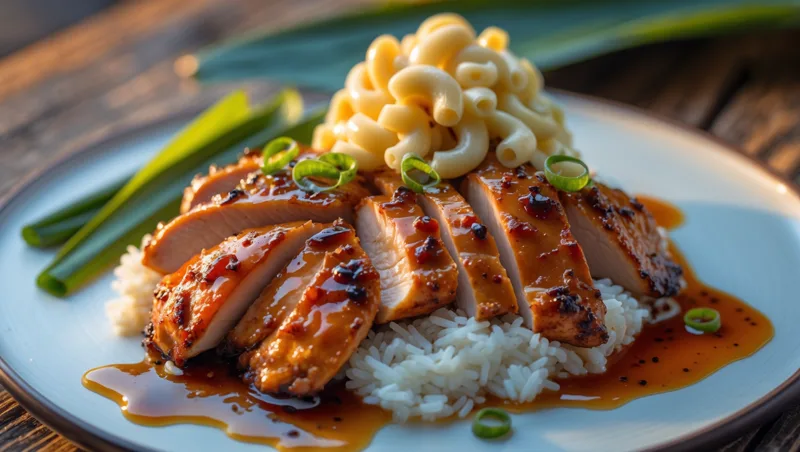
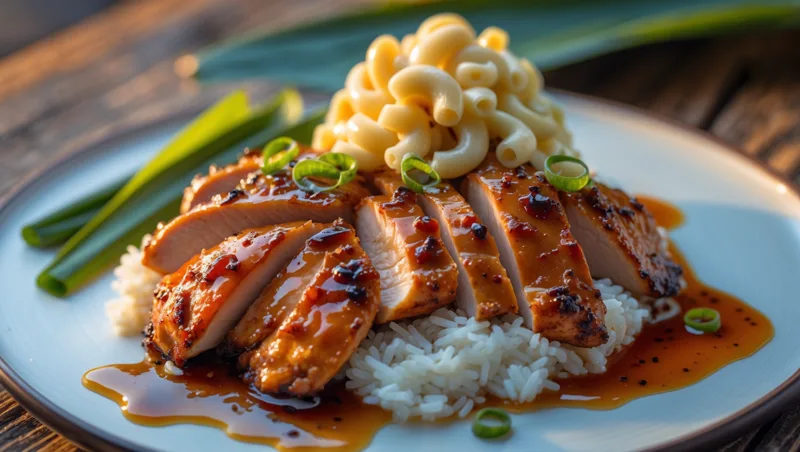
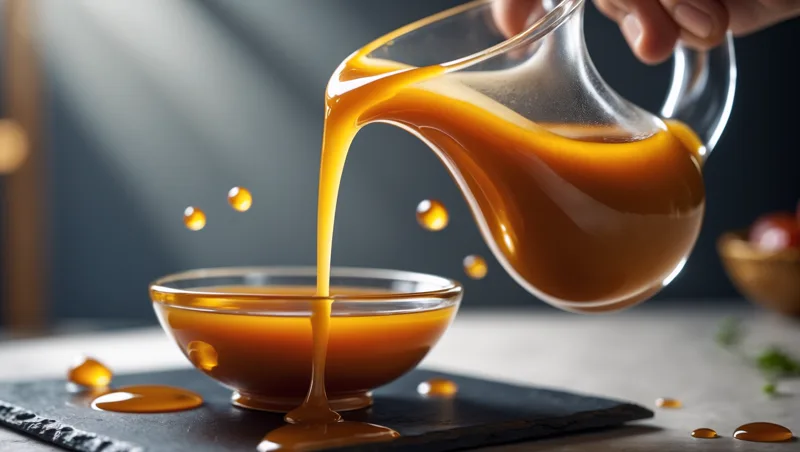
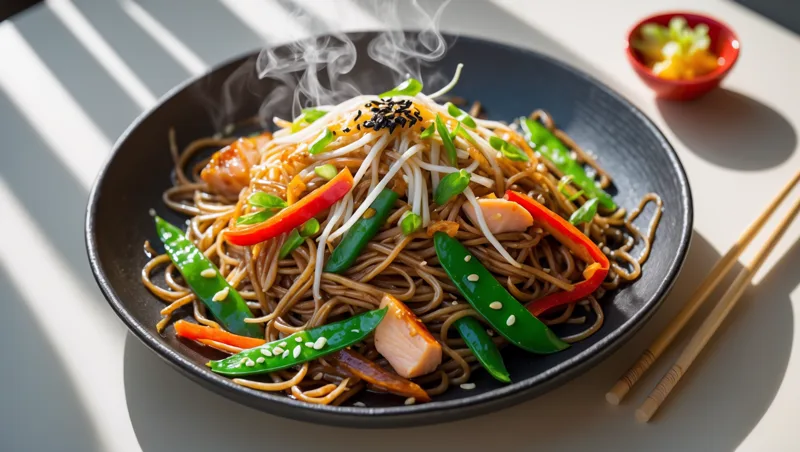
The two chicken plates here are close cousins. Honolulu Chicken is marinated and then smothered in a sweet, tangy sauce; Molokai uses thighs and a glaze built on the same idea. Both sit on the chain's teriyaki base, which is here as its own recipe: ginger, garlic and pineapple, ten minutes on the hob.
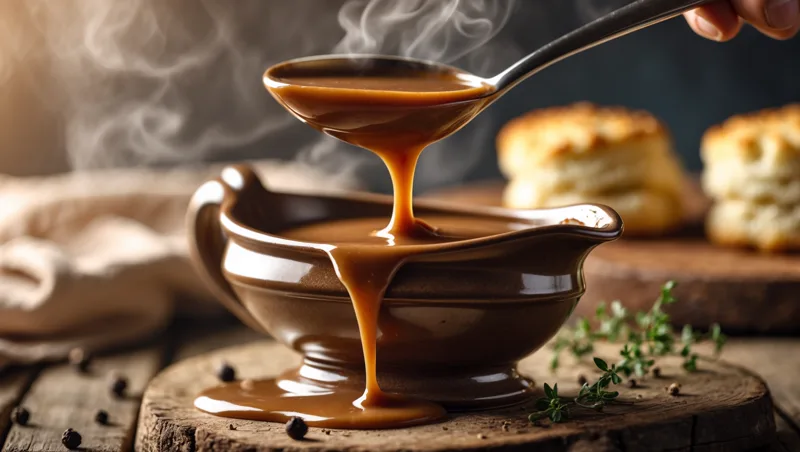
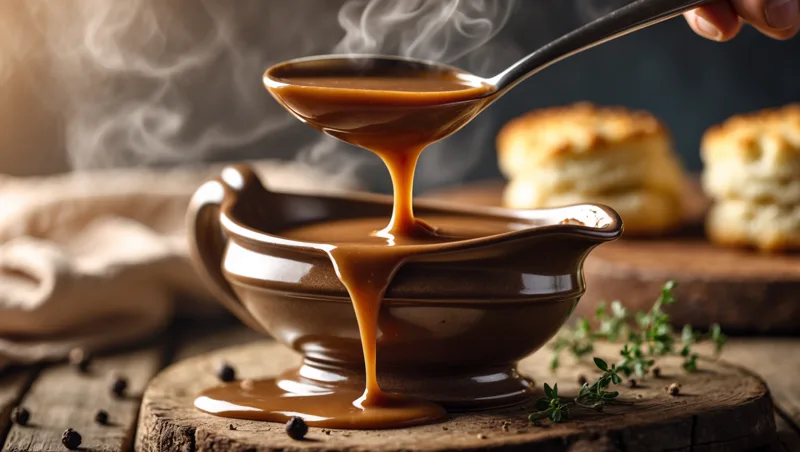
Three supporting acts rather than the steaks. The brown gravy is the one to start with: ten minutes, six servings, and it does more for a plate than the meat does. The French dressing is ketchup-based and sweet against the vinegar, and the salmon comes out under a buttery herb crust.
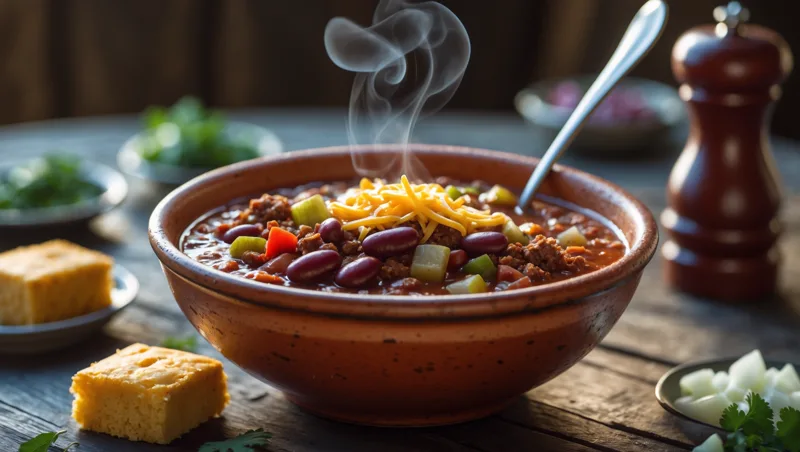
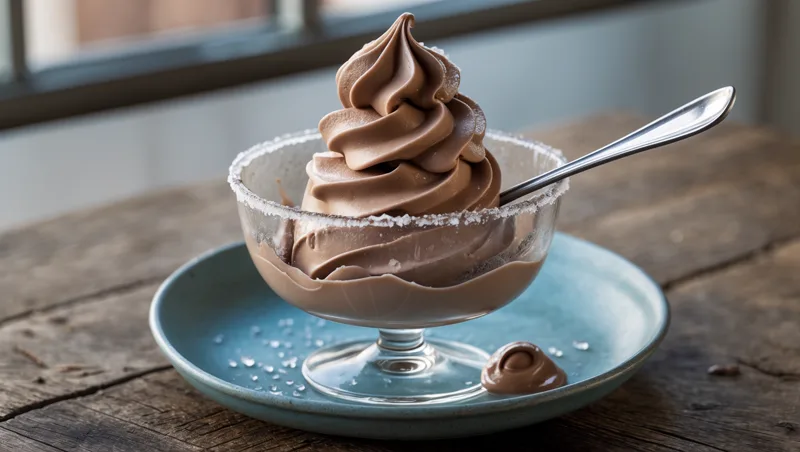
Wendy's covers both ends of the menu. The chili is the long one: twenty minutes of prep, then two and a half hours simmering with kidney beans, green peppers and tomatoes. The Frosty goes the other way entirely at five minutes, no cooking, four servings, and the texture is the whole point.
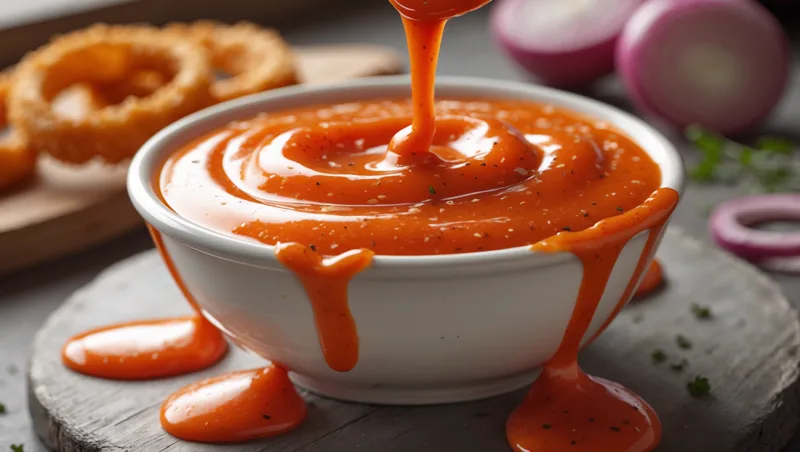
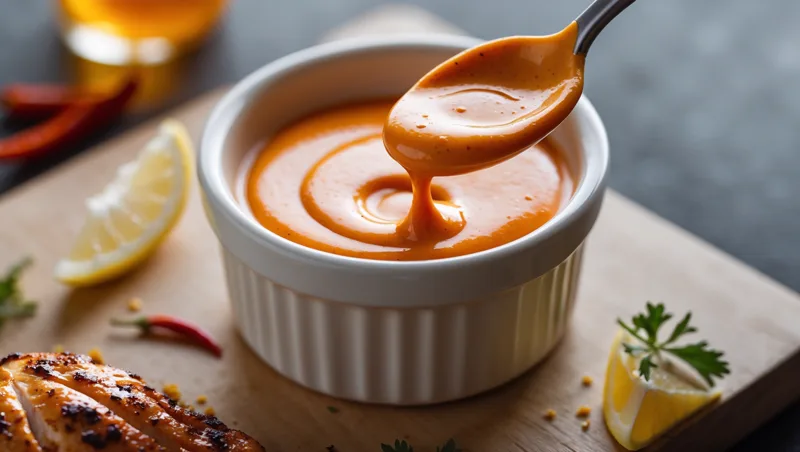
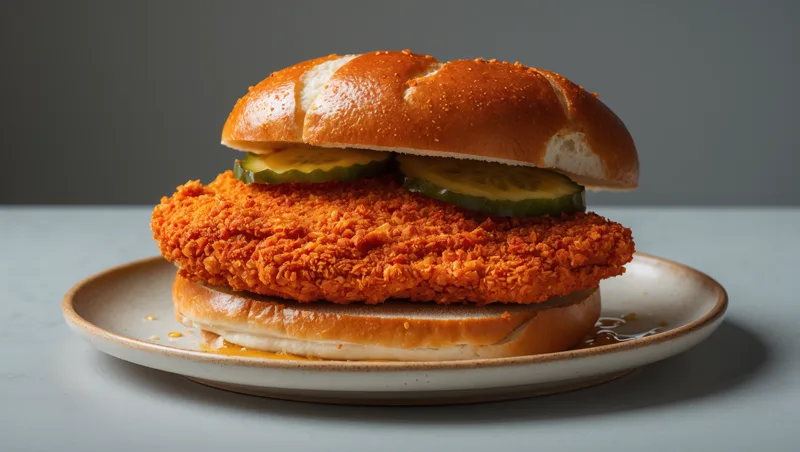
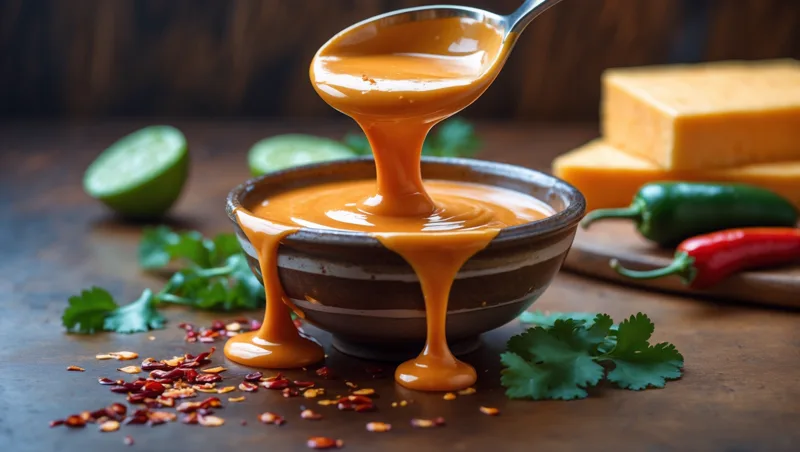
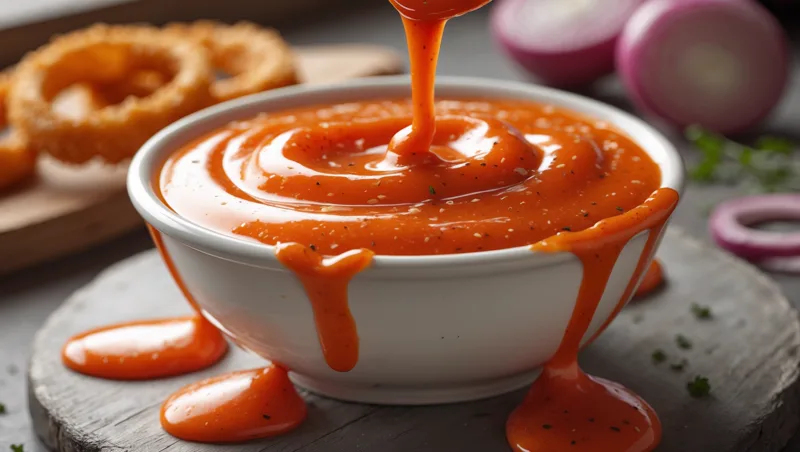
Two recipes, and the sauce is the one to make. The zesty sauce is tangy, creamy and herb-heavy, takes five minutes, and works as a dip as readily as a sandwich spread. The Original Chicken Sandwich is the longer build: fried breast, toasted sesame bun, lettuce and mayonnaise.
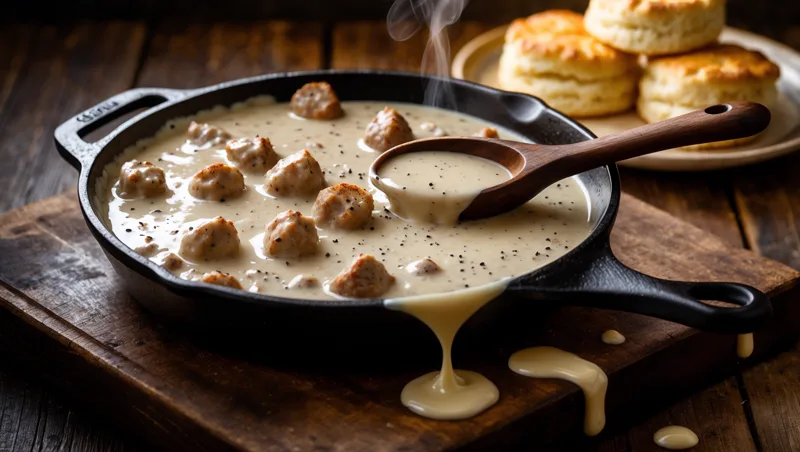
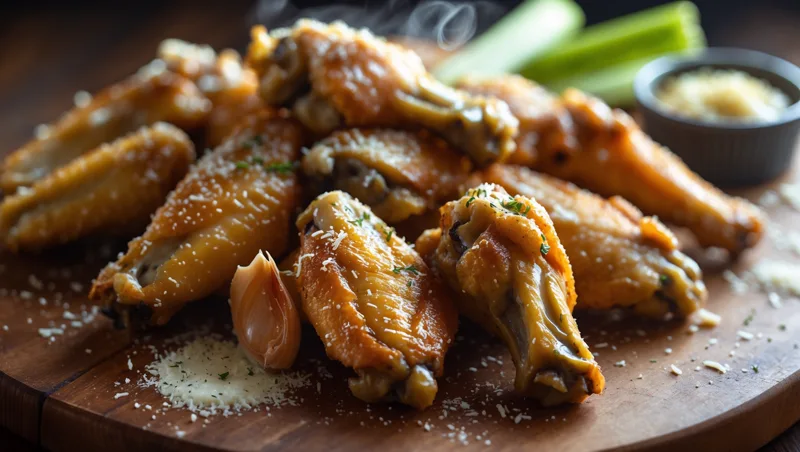
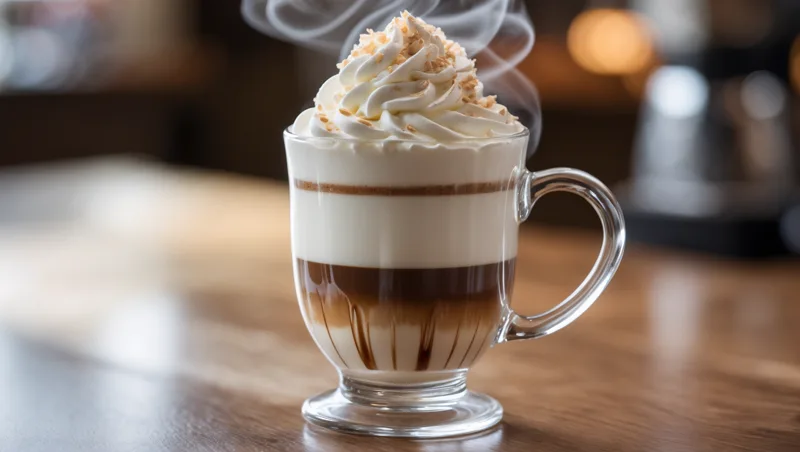
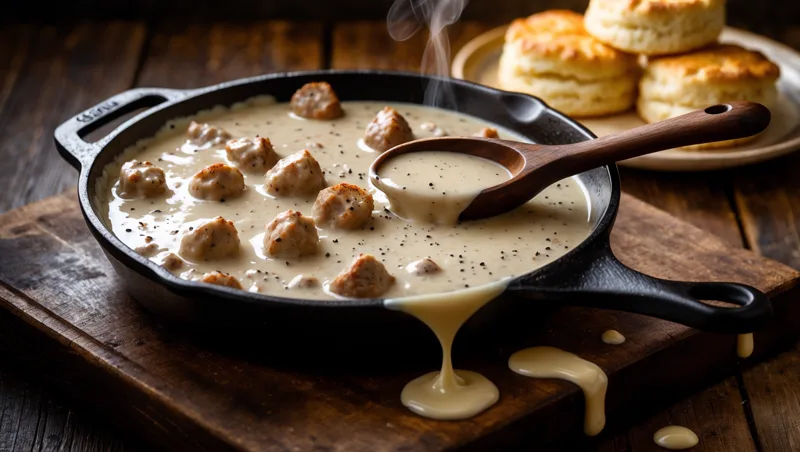
Not the fried chicken, but the two things that sit around it. The white gravy is peppery sausage gravy built for biscuits: ten minutes on the hob, six servings. The Blue Drink is the outlier of the whole hub, with coconut rum, pineapple juice and blue curacao, five minutes and no heat.
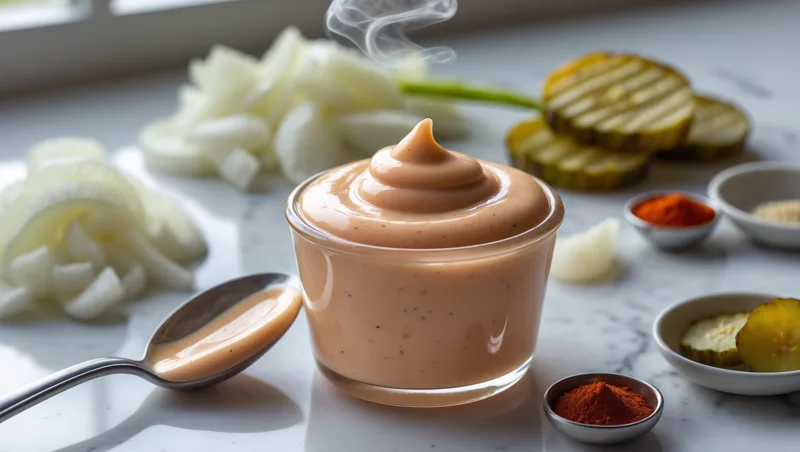
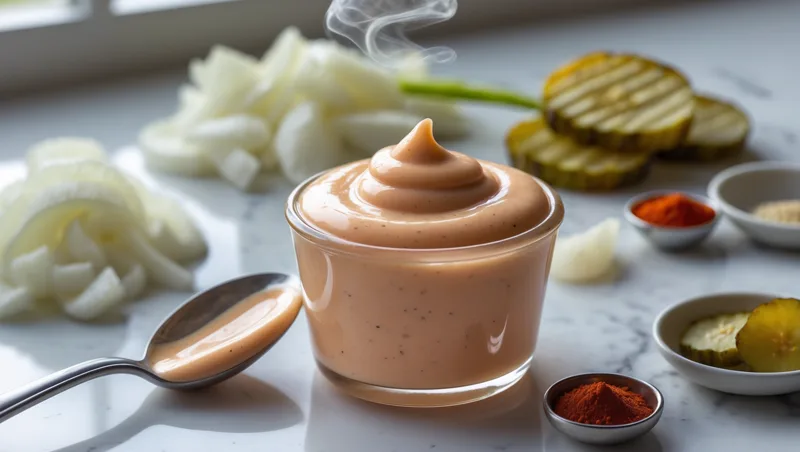
One recipe, and it is the one everyone asks for. Big Mac sauce takes five minutes, needs no cooking and makes eight servings. The balance of tang against sweetness is the entire trick, and getting that right matters a good deal more than the burger underneath.
A copycat recipe rebuilds a restaurant dish from the outside in. You eat it, work out what is in it, and get as close as the ingredients you can actually buy will allow. It is not the restaurant's own recipe, which is almost never published.
Yes. A list of ingredients and a method cannot be copyrighted, so writing your own version of a restaurant dish is fine. Trade marks still apply, so a brand name here describes which dish is being recreated. It does not imply the restaurant was involved or approved it.
Sauces, rubs, dressings and marinades get very close, because almost all of the result sits in the ingredient ratios. Dishes that depend on equipment are harder. A chain's pressure fryer or conveyor oven is doing work a home kitchen cannot reproduce exactly, so the texture is where the gap usually shows.
Usually salt, fat or acid rather than a missing secret ingredient. Restaurant food is seasoned harder than most people season at home. The other common cause is heat: a domestic oven or pan runs cooler than commercial equipment, so the browning that carries a lot of the flavour never fully happens.
For most of these, no. A heavy pan, a hot oven and a thermometer cover the majority of them. A handful are meaningfully better with a blender, a griddle pan or an air fryer, and where that is true the method says so rather than leaving you to guess.


.svg)