
"
Perfectly moist with amazing lemon flavor|Tastes exactly like the coffeehouse version|Dense texture holds up beautifully|Glaze adds the perfect finishing touch|Made this twice already this week|Lemon lovers will absolutely adore this|Better than store bought every time|My new go to dessert recipe
"
Signature
Featured

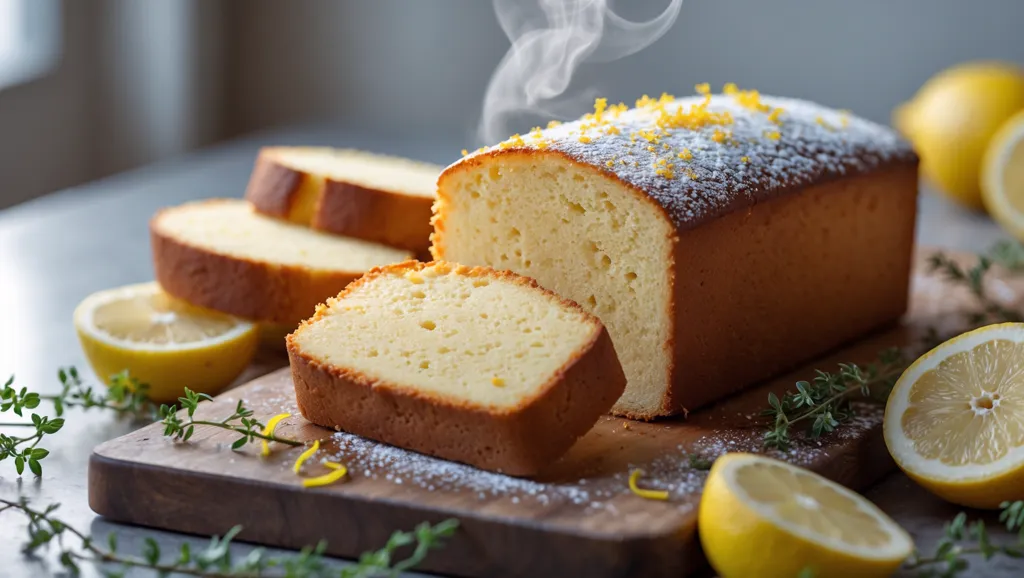
Lemon Pound Cake Recipe

Learn how to make Starbucks' famous lemon pound cake recipe at home! This quick and easy recipe creates a moist, buttery cake with bright citrus flavor. Perfect for coffee lovers who want to recreate their favorite bakery treat.

Prep

15 mins

Cook

60 mins

Serve

8

Kcal

320
<ul class="ingredients-main-list"><li class="ingredients-single-item">225g unsalted butter, softened</li><li class="ingredients-single-item">200g caster sugar</li><li class="ingredients-single-item">4 large eggs</li><li class="ingredients-single-item">240g plain flour</li><li class="ingredients-single-item">1 tsp baking powder</li><li class="ingredients-single-item">1/2 tsp salt</li><li class="ingredients-single-item">120ml whole milk</li><li class="ingredients-single-item">Zest of 3 large lemons</li><li class="ingredients-single-item">60ml fresh lemon juice</li><li class="ingredients-single-item">1 tsp vanilla extract</li><li class="ingredients-single-item">150g icing sugar</li><li class="ingredients-single-item">3-4 tbsp fresh lemon juice (for glaze)</li></ul>
<ol class="no-list-style"><li class="MethodStepper"><h4 class="step-title">Step 1</h4> Preheat your oven to 160°C (320°F). Grease a 23cm x 13cm loaf tin thoroughly with butter and dust lightly with flour, tapping out any excess. This ensures your pound cake will release perfectly from the tin.</li><li class="MethodStepper"><h4 class="step-title">Step 2</h4> In a large mixing bowl, cream the softened butter and caster sugar together using an electric mixer on medium speed for 4-5 minutes until the mixture becomes light, fluffy, and pale in colour. The mixture should nearly double in volume - this is crucial for achieving that tender, buttery texture.</li><li class="MethodStepper"><h4 class="step-title">Step 3</h4> Add the eggs one at a time, beating well after each addition for about 30 seconds. Don't worry if the mixture looks slightly curdled after adding the eggs - this is completely normal and will come together beautifully.</li><li class="MethodStepper"><h4 class="step-title">Step 4</h4> In a separate bowl, whisk together the plain flour, baking powder, and salt until evenly combined. This dry mixture will give structure to your pound cake.</li><li class="MethodStepper"><h4 class="step-title">Step 5</h4> Reduce your mixer speed to low and add the flour mixture in three additions, alternating with the milk in two additions. Begin and end with the flour mixture. Mix each addition just until barely combined - overmixing will result in a tough cake.</li><li class="MethodStepper"><h4 class="step-title">Step 6</h4> Fold in the lemon zest, 60ml fresh lemon juice, and vanilla extract using a wooden spoon or rubber spatula. Mix gently until just incorporated - you should see lovely flecks of lemon zest throughout the batter.</li><li class="MethodStepper"><h4 class="step-title">Step 7</h4> Pour the batter into your prepared loaf tin, smoothing the top gently with a spatula. Give the tin a gentle tap on the counter to release any air bubbles.</li><li class="MethodStepper"><h4 class="step-title">Step 8</h4> Bake for 55-65 minutes, or until the top is golden brown and a skewer inserted into the centre comes out with just a few moist crumbs. The cake should spring back lightly when touched and start pulling away slightly from the sides of the tin.</li><li class="MethodStepper"><h4 class="step-title">Step 9</h4> Allow the cake to cool in the tin for 10 minutes, then turn out onto a wire rack. Let it cool completely before glazing - this takes about 45 minutes to 1 hour.</li><li class="MethodStepper"><h4 class="step-title">Step 10</h4> For the glaze, sift the icing sugar into a bowl to remove any lumps. Gradually whisk in the lemon juice, starting with 3 tablespoons and adding more if needed, until you achieve a smooth, pourable consistency that coats the back of a spoon.</li><li class="MethodStepper"><h4 class="step-title">Step 11</h4> Place the cooled cake on a serving plate and slowly drizzle the lemon glaze over the top, allowing it to drip down the sides naturally. Let the glaze set for 15-20 minutes before slicing. Cut into thick slices and serve - this cake keeps beautifully for up to 5 days wrapped in cling film.</li></ol>
FAQ for
Lemon Pound Cake Recipe

What ingredients are used in Lemon Pound Cake from [Restaurant Name]? You can find this data here: [Airtable Input]

This lemon pound cake uses butter, caster sugar, eggs, plain flour, baking powder, salt, milk, fresh lemon zest and juice, vanilla extract, plus icing sugar for the glaze.

How to cook Lemon Pound Cake from [Restaurant Name] at home? You can find this data here: [Airtable Input]

Learn how to cook Lemon Pound Cake from [Restaurant Name] by creaming butter and sugar, adding eggs one at a time, alternating flour mixture with milk, folding in lemon zest and juice, then baking at 160°C for 55-65 minutes until golden.

What's the best baking temperature for pound cake?

The ideal temperature for baking pound cake is 160°C (320°F). This moderate temperature ensures even cooking throughout whilst preventing the outside from browning too quickly before the centre is fully baked.

How do you know when a lemon pound cake is properly baked?

A properly baked pound cake will be golden brown on top, spring back when lightly touched, and a skewer inserted in the centre should come out with just a few moist crumbs attached.

Why does my pound cake batter look curdled after adding eggs?

A slightly curdled appearance after adding eggs is completely normal in pound cake baking. This happens when cold eggs meet the butter mixture, but it will smooth out beautifully as you continue mixing.

The calorie count is an approximation and can vary based on exact measurements and specific ingredients used. Always consult nutritional information if strict adherence to calorie counts is required. This recipe is inspired by the flavours of this restaurant's dishes and has been independently developed for home cooking. It is not an exact match to the proprietary recipe used by the restaurant. This website is not affiliated with or endorsed by the restaurant.
Try GrittyChef

Love This Recipe?
Create Your Own in 10 Seconds

Get unlimited personalized recipes tailored to your exact preferences with GrittyChef.

Create My Recipe
8,400+ users
Cancel anytime
$7/month
156 creating now
⭐ PREMIUM

Personal Recipe Generator

Create delicious recipes instantly

🔥Popular Recipes
🍔 Cheeseburger
🍕 Pizza
🥓 Burrito

Customize Your Recipe

Select your cooking preferences

Grilling
Baking
Frying
Steaming
Mild
Medium
Hot
Keto
Vegan
Paleo
2
4
6
8

GrittyChef is Cooking...

Creating your perfect recipe ✨

👨‍🍳

Chef's Kiss!

Your recipe is ready

Get ready to cook something delicious

👨‍🍳 GrittyChef AI Chef

🍔 Classic Cheeseburger

⏱️ 20 mins
👥 4 servings
🔥 Hot
🛒Ingredients
  • 1.5 lbs ground beef
  • 4 burger buns
  • 4 cheddar slices
  • Lettuce, tomato
👨‍🍳Instructions
1
{ "@context": "http://schema.org/", "@type": "Recipe", "name": "Lemon Pound Cake Recipe", "author": { "@type": "Person", "name": "Peter Martin", "brand": "Once a Chef", "jobTitle": "Chef", "image": "https://cdn.leonardo.ai/users/4a58fbf3-54bf-417d-a8aa-9bdd9b72d9ff/generations/85c09696-9368-46b0-a1fb-678489b1f31e/Phoenix_10_Image_Description_A_perfectly_golden_lemon_pound_ca_0.jpg" }, "datePublished": "2024-12-19", "description": "A perfectly moist and buttery lemon pound cake with a zesty lemon glaze, featuring tender crumb and bright citrus flavor throughout.", "prepTime": "PT20M", "cookTime": "PT1H5M", "totalTime": "PT2H30M", "keywords": "lemon pound cake, citrus cake, glazed cake, homemade pound cake, lemon dessert", "recipeYield": "10", "recipeCategory": "Dessert", "recipeCuisine": "American", "nutrition": { "@type": "NutritionInformation", "calories": "385 calories", "carbohydrateContent": "52 g", "proteinContent": "6 g", "fatContent": "18 g", "saturatedFatContent": "11 g", "cholesterolContent": "95 mg", "sodiumContent": "185 mg", "sugarContent": "35 g", "servingSize": "1 serving" }, "recipeIngredient": [ "225g unsalted butter, softened", "200g caster sugar", "4 large eggs", "240g plain flour", "1 tsp baking powder", "1/2 tsp salt", "120ml whole milk", "Zest of 3 large lemons", "60ml fresh lemon juice", "1 tsp vanilla extract", "150g icing sugar", "3-4 tbsp fresh lemon juice (for glaze)" ], "recipeInstructions": [ { "@type": "HowToStep", "name": "Prepare oven and tin", "text": "Preheat your oven to 160°C (320°F). Grease a 23cm x 13cm loaf tin thoroughly with butter and dust lightly with flour, tapping out any excess." }, { "@type": "HowToStep", "name": "Cream butter and sugar", "text": "In a large mixing bowl, cream the softened butter and caster sugar together using an electric mixer on medium speed for 4-5 minutes until the mixture becomes light, fluffy, and pale in colour." }, { "@type": "HowToStep", "name": "Add eggs", "text": "Add the eggs one at a time, beating well after each addition for about 30 seconds." }, { "@type": "HowToStep", "name": "Mix dry ingredients", "text": "In a separate bowl, whisk together the plain flour, baking powder, and salt until evenly combined." }, { "@type": "HowToStep", "name": "Combine wet and dry ingredients", "text": "Reduce your mixer speed to low and add the flour mixture in three additions, alternating with the milk in two additions. Begin and end with the flour mixture." }, { "@type": "HowToStep", "name": "Add lemon and vanilla", "text": "Fold in the lemon zest, 60ml fresh lemon juice, and vanilla extract using a wooden spoon or rubber spatula. Mix gently until just incorporated." }, { "@type": "HowToStep", "name": "Pour into tin", "text": "Pour the batter into your prepared loaf tin, smoothing the top gently with a spatula. Give the tin a gentle tap on the counter to release any air bubbles." }, { "@type": "HowToStep", "name": "Bake", "text": "Bake for 55-65 minutes, or until the top is golden brown and a skewer inserted into the centre comes out with just a few moist crumbs." }, { "@type": "HowToStep", "name": "Cool", "text": "Allow the cake to cool in the tin for 10 minutes, then turn out onto a wire rack. Let it cool completely before glazing." }, { "@type": "HowToStep", "name": "Make glaze", "text": "For the glaze, sift the icing sugar into a bowl. Gradually whisk in the lemon juice until you achieve a smooth, pourable consistency." }, { "@type": "HowToStep", "name": "Glaze and serve", "text": "Place the cooled cake on a serving plate and slowly drizzle the lemon glaze over the top. Let the glaze set for 15-20 minutes before slicing." } ], "aggregateRating": { "@type": "AggregateRating", "ratingValue": "5", "ratingCount": "187" }, "review": [ { "@type": "Review", "author": "Maria Rodriguez", "datePublished": "2024-11-15", "reviewBody": "This lemon pound cake is absolutely divine! The texture is so moist and buttery, and the lemon flavor really shines through. The glaze adds the perfect finishing touch.", "name": "Perfectly Moist and Lemony", "reviewRating": { "@type": "Rating", "ratingValue": "5" } }, { "@type": "Review", "author": "Chen Wei", "datePublished": "2024-11-20", "reviewBody": "I've made this cake three times already and it turns out perfect every time. The instructions are clear and easy to follow. My family requests it for every special occasion now!", "name": "Family's New Favorite", "reviewRating": { "@type": "Rating", "ratingValue": "5" } }, { "@type": "Review", "author": "Isabella Thompson", "datePublished": "2024-12-01", "reviewBody": "The lemon zest really makes this cake special. It has such a bright, fresh flavor and the crumb is tender and buttery. Definitely keeping this recipe in my collection!", "name": "Bright and Fresh Flavor", "reviewRating": { "@type": "Rating", "ratingValue": "5" } }, { "@type": "Review", "author": "Ahmed Hassan", "datePublished": "2024-12-08", "reviewBody": "Made this for a dinner party and everyone was raving about it. The glaze sets beautifully and adds just the right amount of sweetness. Professional bakery quality at home!", "name": "Dinner Party Success", "reviewRating": { "@type": "Rating", "ratingValue": "5" } }, { "@type": "Review", "author": "Priya Sharma", "datePublished": "2024-12-12", "reviewBody": "This is hands down the best pound cake recipe I've ever tried. The balance of lemon and sweetness is perfect, and it stays moist for days. A real winner!", "name": "Best Pound Cake Ever", "reviewRating": { "@type": "Rating", "ratingValue": "5" } } ] }
{ "@context": "https://schema.org", "@type": "FAQPage", "mainEntity": [ { "@type": "Question", "name": "What ingredients are used in Lemon Pound Cake from [Restaurant Name]? You can find this data here: [Airtable Input]", "acceptedAnswer": { "@type": "Answer", "text": "This lemon pound cake uses butter, caster sugar, eggs, plain flour, baking powder, salt, milk, fresh lemon zest and juice, vanilla extract, plus icing sugar for the glaze." } }, { "@type": "Question", "name": "How to cook Lemon Pound Cake from [Restaurant Name] at home? You can find this data here: [Airtable Input]", "acceptedAnswer": { "@type": "Answer", "text": "Learn how to cook Lemon Pound Cake from [Restaurant Name] by creaming butter and sugar, adding eggs one at a time, alternating flour mixture with milk, folding in lemon zest and juice, then baking at 160°C for 55-65 minutes until golden." } }, { "@type": "Question", "name": "What's the best baking temperature for pound cake?", "acceptedAnswer": { "@type": "Answer", "text": "The ideal temperature for baking pound cake is 160°C (320°F). This moderate temperature ensures even cooking throughout whilst preventing the outside from browning too quickly before the centre is fully baked." } }, { "@type": "Question", "name": "How do you know when a lemon pound cake is properly baked?", "acceptedAnswer": { "@type": "Answer", "text": "A properly baked pound cake will be golden brown on top, spring back when lightly touched, and a skewer inserted in the centre should come out with just a few moist crumbs attached." } }, { "@type": "Question", "name": "Why does my pound cake batter look curdled after adding eggs?", "acceptedAnswer": { "@type": "Answer", "text": "A slightly curdled appearance after adding eggs is completely normal in pound cake baking. This happens when cold eggs meet the butter mixture, but it will smooth out beautifully as you continue mixing." } } ] }