

.svg)
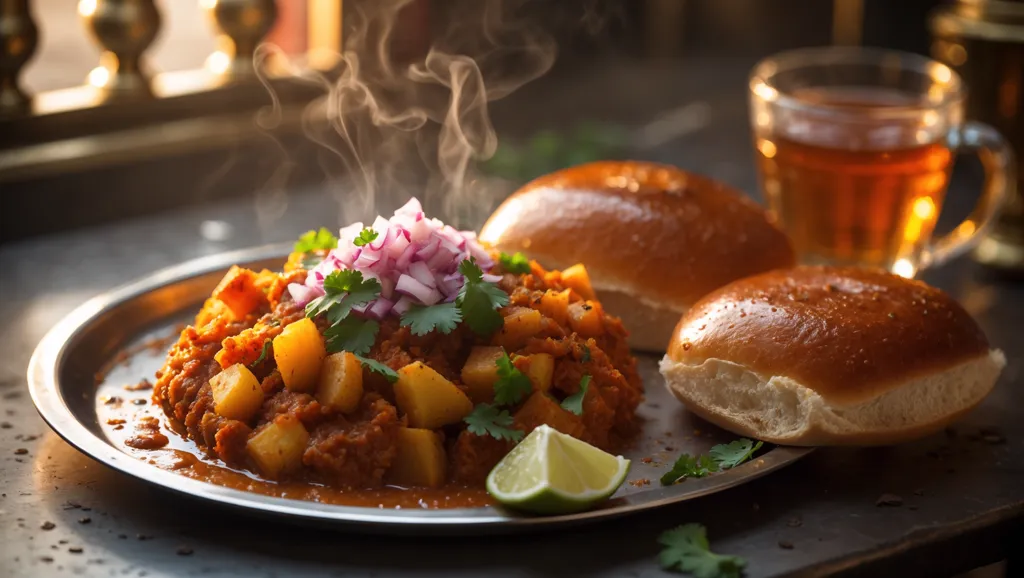

Pav Bhaji Recipe
Learn how to make authentic pav bhaji recipe at home! This quick and easy Mumbai street food combines spiced mashed vegetables with buttery pav bread. Perfect recipe for busy weeknights - ready in 30 minutes with simple ingredients.
Prep
Cook
Serve
Kcal
- 4 medium potatoes, peeled and cubed
- 1 small cauliflower, cut into small florets
- 2 medium tomatoes, roughly chopped
- 1 medium onion, finely chopped
- 3 cloves garlic, minced
- 2cm piece fresh ginger, grated
- 2 tbsp pav bhaji masala
- 1 tsp red chilli powder
- 1 tsp ground turmeric
- 1 tsp ground cumin
- 50g unsalted butter, plus extra for toasting pav
- 2 tbsp vegetable oil
- 1 green capsicum (bell pepper), finely diced
- 100g frozen peas
- Salt to taste
- Juice of 1 lime
- Fresh coriander, chopped
- 1 small red onion, finely diced, to serve
- 6 soft bread rolls (pav)
Step 1
Boil the cubed potatoes and cauliflower florets in a large pot of salted water for about 15-18 minutes until they're completely soft and easily mashed with a fork. Drain thoroughly and set aside. While they cook, roughly chop the tomatoes and set them aside too.Step 2
Heat the vegetable oil and 25g of the butter together in a large, heavy-bottomed pan or kadhai over medium heat. Once the butter has melted and is foaming, add the finely chopped onion. Cook for 6-7 minutes, stirring regularly, until the onion turns soft and golden brown at the edges.Step 3
Add the minced garlic and grated ginger to the pan. Stir for about 1 minute until the raw smell disappears and the kitchen fills with that gorgeous aromatic scent. Add the diced capsicum and cook for another 2 minutes until it softens slightly.Step 4
Add the chopped tomatoes to the pan and cook them down for 5-6 minutes, pressing them with the back of your spoon, until they break apart and form a thick, pulpy base. You want the oil to start separating from the masala — that's how you know it's ready.Step 5
Now add all the dry spices — pav bhaji masala, red chilli powder, turmeric, and cumin. Stir everything together for about 1 minute over medium heat. The spices should sizzle gently and become wonderfully fragrant. Add a splash of water if the mixture starts sticking to the pan.Step 6
Tip in the boiled potatoes and cauliflower. Using a potato masher, mash everything together right there in the pan until you get a thick, chunky mixture. It shouldn't be completely smooth — a bit of texture is what makes great pav bhaji. Add the frozen peas and about 150ml of water. Stir well and let it simmer for 8-10 minutes, mashing and stirring occasionally, until it reaches a thick, scoopable consistency.Step 7
Stir in the remaining 25g of butter and the lime juice. Taste and adjust the salt and spice levels. The bhaji should be rich, buttery, tangy, and boldly spiced. Keep it warm on a low heat while you prepare the pav.Step 8
Slice each pav roll in half. Heat a flat griddle or frying pan and add a generous knob of butter. Place the pav cut-side down and toast for 1-2 minutes until golden and crispy. Repeat with all the rolls.Step 9
Serve the bhaji in bowls with a big knob of butter melting on top, a squeeze of lime, chopped coriander, and finely diced red onion on the side. Pile the buttery toasted pav alongside and scoop away.
What ingredients are used in Pav Bhaji from Dishoom?
Key ingredients include potatoes, cauliflower, peas, carrots, tomatoes, onions, pav bhaji masala, butter, and soft pav buns. The dish combines mixed vegetables with aromatic Indian spices for authentic flavour.
How to cook Pav Bhaji from Dishoom at home?
Learn how to cook Pav Bhaji from Dishoom by boiling mixed vegetables until tender, creating a spiced tomato base with onions and masala, then mashing everything together. Serve with buttered, toasted pav buns and fresh garnishes.
What is pav bhaji masala and can I substitute it?
Pav bhaji masala is a special spice blend with coriander, cumin, fennel, and other aromatic spices. If unavailable, you can substitute with garam masala, though the authentic flavour will differ slightly.
How do I achieve the perfect texture for pav bhaji?
The ideal texture is chunky, not completely smooth. Mash the cooked vegetables with a potato masher while leaving some pieces visible. The consistency should be like thick soup, neither too dry nor watery.
What's the traditional way to serve and eat pav bhaji?
Serve hot bhaji with buttered, toasted pav buns, sliced red onions, and lemon wedges. Traditionally, squeeze lemon over the bhaji, add raw onions, and scoop with pieces of the soft, buttered pav bread.