

.svg)
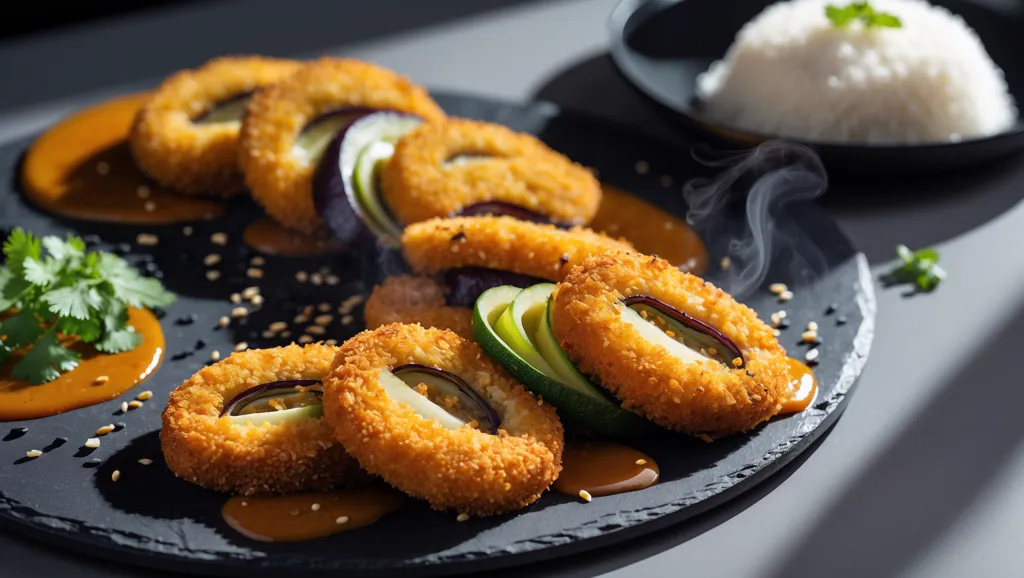

Yasai Katsu Curry Recipe
Learn how to make Wagamama's famous yasai katsu curry recipe at home! This quick and easy recipe shows you how to cook crispy vegetable katsu with authentic Japanese curry sauce. Perfect weeknight dinner recipe.
Prep
Cook
Serve
Kcal
- 200g sweet potato, peeled and cut into 2cm thick rounds
- 150g aubergine, cut into 1cm thick rounds
- 100g courgette, cut into 1cm thick rounds
- 100g red pepper, cut into thick strips
- 150g plain flour
- 50g cornflour
- 1 tsp baking powder
- 1 tsp salt
- 300ml sparkling water, cold
- 200g panko breadcrumbs
- 500ml vegetable oil for deep frying
- 2 tbsp vegetable oil
- 1 medium onion, finely chopped
- 3 cloves garlic, minced
- 2 tbsp fresh ginger, grated
- 2 tbsp mild curry powder
- 1 tsp ground turmeric
- 1 tbsp tomato paste
- 400ml coconut milk
- 300ml vegetable stock
- 2 tbsp soy sauce
- 1 tbsp maple syrup
- 1 tsp salt
- 300g jasmine rice
- 450ml water
- 1 tsp salt
- 2 spring onions, finely sliced
- 1 lime, cut into wedges
- Pickled vegetables for serving (optional)
Step 1
Begin by preparing your vegetables for the katsu. Cut the sweet potato into 2cm thick rounds, ensuring they're evenly sized for consistent cooking. Slice the aubergine and courgette into 1cm thick rounds, and cut the red pepper into thick, manageable strips. Pat all vegetables completely dry with kitchen paper - this is crucial for the batter to adhere properly.Step 2
Start the curry sauce by heating 2 tablespoons of vegetable oil in a large saucepan over medium heat. Add the finely chopped onion and cook for 8-10 minutes, stirring occasionally, until it becomes soft and translucent. The onion should be golden but not browned.Step 3
Add the minced garlic and grated ginger to the softened onion, stirring constantly for 1-2 minutes until fragrant. Be careful not to let them burn as this will create a bitter taste.Step 4
Sprinkle in the curry powder and turmeric, stirring continuously for another minute to toast the spices. This releases their essential oils and deepens the flavour. Add the tomato paste and cook for another 2 minutes, stirring frequently.Step 5
Gradually pour in the coconut milk, whisking constantly to prevent lumps from forming. Add the vegetable stock, soy sauce, maple syrup, and salt. Bring the mixture to a gentle simmer, then reduce the heat to low and let it cook for 20-25 minutes, stirring occasionally, until the sauce has thickened to a creamy consistency that coats the back of a spoon.Step 6
While the curry simmers, prepare your rice. Rinse the jasmine rice in cold water until the water runs clear - this removes excess starch and prevents sticky rice. In a medium saucepan, combine the rinsed rice, 450ml water, and 1 teaspoon of salt. Bring to a boil, then reduce heat to the lowest setting, cover tightly, and cook for 18 minutes without lifting the lid.Step 7
Create your batter station by combining the plain flour, cornflour, baking powder, and salt in a large mixing bowl. Gradually whisk in the cold sparkling water until you have a smooth batter with the consistency of thick double cream. The batter should coat the back of a spoon but still drip off easily.Step 8
Place the panko breadcrumbs in a shallow dish. Heat the 500ml of vegetable oil in a deep, heavy-based pan or deep fryer to 170°C. You can test the temperature by dropping a small piece of bread into the oil - it should sizzle immediately and turn golden in about 30 seconds.Step 9
Working with one piece at a time, dip each vegetable piece into the batter, allowing excess to drip off, then immediately roll in the panko breadcrumbs, pressing gently to ensure the crumbs adhere well. Place the coated vegetables on a plate while you finish the batch.Step 10
Fry the vegetables in batches to avoid overcrowding the pan, which would lower the oil temperature. Cook for 3-4 minutes for the courgette and red pepper, 4-5 minutes for the aubergine, and 5-6 minutes for the sweet potato, until each piece is golden brown and crispy. Remove with a slotted spoon and drain on kitchen paper.Step 11
Once the rice has cooked for 18 minutes, remove it from the heat and let it stand, still covered, for 10 minutes to allow the steam to finish cooking the grains. Then fluff with a fork to separate the grains.Step 12
Taste your curry sauce and adjust seasoning if needed - you might want a pinch more salt or an extra squeeze of maple syrup for sweetness. The sauce should be rich, creamy, and have a balanced sweet-savoury flavour with gentle warmth from the spices.Step 13
To serve, place a generous portion of fluffy jasmine rice in each bowl. Arrange the crispy yasai katsu vegetables alongside the rice, then ladle the warm curry sauce over and around the vegetables. Garnish with finely sliced spring onions and serve with lime wedges on the side for squeezing over the dish. Add pickled vegetables if desired for an authentic touch and extra flavour contrast.
What ingredients are used in Yasai Katsu Curry Recipe from Wagamama?
The recipe uses mixed vegetables (sweet potato, aubergine, courgette, red pepper), panko breadcrumbs, plain flour, coconut milk, curry powder, turmeric, jasmine rice, and various aromatics for an authentic Japanese curry experience.
How to cook Yasai Katsu Curry Recipe from Wagamama at home?
Learn how to cook Wagamama Yasai Katsu Curry Recipe from Wagamama by battering and frying vegetables in panko breadcrumbs, preparing a coconut curry sauce with spices, and serving over jasmine rice with garnishes for restaurant-quality results at home.
What's the ideal oil temperature for deep frying katsu vegetables?
The optimal oil temperature for frying katsu vegetables is 170°C. Test by dropping bread into oil - it should sizzle immediately and turn golden in 30 seconds. This ensures crispy coating without overcooking the vegetables inside.
Can I make yasai katsu curry vegan-friendly?
Yes, this recipe is naturally vegan as it uses plant-based ingredients including coconut milk, vegetables, and vegetable stock. Simply ensure your panko breadcrumbs are vegan-certified for a completely plant-based meal.
How long should I simmer Japanese curry sauce for the best flavour?
Simmer the curry sauce for 20-25 minutes on low heat until it thickens to coat the back of a spoon. This allows the coconut milk to reduce and the spices to develop a rich, creamy consistency with deep flavour.