"
Perfect flaky texture every time!|So much easier than butter pastry!|Grandmas recipe never fails me!|Holds filling without getting soggy!|Best pastry for meat pies!|Simple ingredients create magic together!|Never buying frozen pastry again!|Crispy outside, tender inside perfection!
"
Atora Suet Pastry Recipe
Signature
Featured

Atora Suet Pastry Recipe

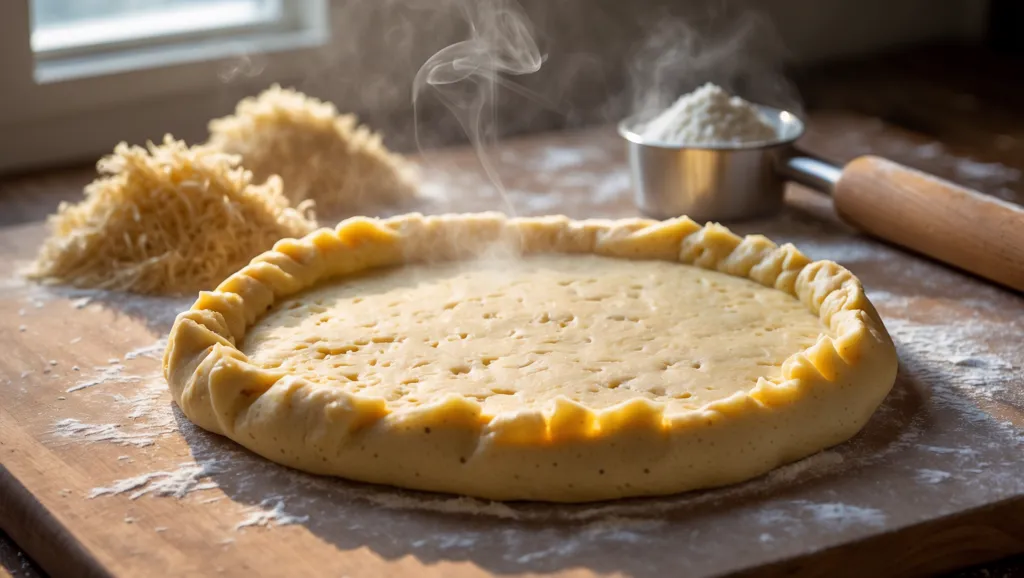
Learn how to make quick and easy Atora suet pastry recipe! This simple how to cook guide creates perfect flaky pastry for pies and puddings. Traditional recipe uses just flour, suet, and water for authentic British comfort food.

Prep

15 mins

Cook

0 mins

Serve

8

Kcal

180
Rate this recipe
★★★★★No ratings yet
<ul class="ingredients-main-list"><li class="ingredients-single-item">225g self-raising flour</li><li class="ingredients-single-item">115g Atora shredded suet (or vegetable suet)</li><li class="ingredients-single-item">1/2 tsp salt</li><li class="ingredients-single-item">120-150ml cold water</li><li class="ingredients-single-item">1 tbsp plain flour for dusting</li></ul>
<ol class="no-list-style"><li class="MethodStepper"><h4 class="step-title">Step 1</h4> In a large mixing bowl, sift the self-raising flour to ensure there are no lumps. This creates a lighter texture in your finished pastry. Add the salt and mix it through the flour evenly with a fork.</li><li class="MethodStepper"><h4 class="step-title">Step 2</h4> Add the Atora suet to the flour mixture. Using your fingertips, lightly rub the suet into the flour for about 1-2 minutes until it's evenly distributed. The mixture should look like fine breadcrumbs with small pieces of suet visible throughout.</li><li class="MethodStepper"><h4 class="step-title">Step 3</h4> Make a well in the center of the flour and suet mixture. Start by adding 120ml of cold water gradually, mixing with a fork as you pour. The water should be genuinely cold as this helps create a better texture.</li><li class="MethodStepper"><h4 class="step-title">Step 4</h4> Continue mixing with the fork, drawing the flour from the edges into the center. If the mixture seems too dry and won't come together, add the remaining water 1 tablespoon at a time. You want a soft, slightly sticky dough that holds together but isn't wet or soggy.</li><li class="MethodStepper"><h4 class="step-title">Step 5</h4> Once the dough starts to come together, use your hands to gently bring it into a ball. Don't overwork the dough - suet pastry should be handled as little as possible to keep it light and tender. The dough should feel soft and pliable.</li><li class="MethodStepper"><h4 class="step-title">Step 6</h4> Turn the dough out onto a lightly floured surface. Dust the top with a little plain flour and gently knead just 2-3 times to bring it together smoothly. Shape it into a disc and wrap in cling film.</li><li class="MethodStepper"><h4 class="step-title">Step 7</h4> Rest the pastry in the refrigerator for 30 minutes before rolling. This allows the flour to hydrate fully and makes the pastry easier to handle. When ready to use, roll out on a floured surface to your desired thickness, typically 3-4mm for most applications like dumplings or pudding casings.</li></ol>
FAQ for
Atora Suet Pastry Recipe

What ingredients are used in Atora Suet Pastry Recipe?

The key ingredients are 225g self-raising flour, 115g Atora shredded suet, half teaspoon salt, 120-150ml cold water, and 1 tablespoon plain flour for dusting. Simple pantry staples create this traditional British pastry.

How to cook Atora Suet Pastry from scratch at home?

Learn how to cook atora suet pastry recipe by mixing self-raising flour with suet and salt, gradually adding cold water, forming a soft dough, and resting for 30 minutes before rolling. Handle gently for the best light, tender texture in your finished pastry.

What's the difference between suet pastry and regular shortcrust pastry?

Suet pastry uses shredded beef or vegetable suet instead of butter, creating a lighter, more tender texture. It's traditionally used for British puddings and dumplings, whilst shortcrust uses butter for a firmer result.

Can you use vegetable suet instead of beef suet in pastry recipes?

Yes, vegetable suet works perfectly as a substitute for beef suet in pastry making. It creates the same light, tender texture and is suitable for vegetarians whilst maintaining the traditional characteristics of suet pastry.

How long should suet pastry rest before rolling out?

Suet pastry should rest in the refrigerator for 30 minutes before rolling. This resting time allows the flour to fully hydrate and makes the pastry much easier to handle when rolling out to your desired thickness.

The calorie count is an approximation and can vary based on exact measurements and specific ingredients used. Always consult nutritional information if strict adherence to calorie counts is required. This recipe has been independently developed for home cooking.
Try GrittyChef

Love This Recipe?
Create Your Own in 10 Seconds

Get unlimited personalized recipes tailored to your exact preferences with GrittyChef.

Create My Recipe
8,400+ users
Cancel anytime
$7/month
156 creating now
⭐ PREMIUM

Personal Recipe Generator

Create delicious recipes instantly

🔥Popular Recipes
🍔 Cheeseburger
🍕 Pizza
🥓 Burrito

Customize Your Recipe

Select your cooking preferences

Grilling
Baking
Frying
Steaming
Mild
Medium
Hot
Keto
Vegan
Paleo
2
4
6
8

GrittyChef is Cooking...

Creating your perfect recipe ✨

👨‍🍳

Chef's Kiss!

Your recipe is ready

Get ready to cook something delicious

👨‍🍳 GrittyChef AI Chef

🍔 Classic Cheeseburger

⏱️ 20 mins
👥 4 servings
🔥 Hot
🛒Ingredients
  • 1.5 lbs ground beef
  • 4 burger buns
  • 4 cheddar slices
  • Lettuce, tomato
👨‍🍳Instructions
1
{ "@context": "https://schema.org", "@type": "Recipe", "@id": "https://www.grittychef.com/recipes/suet-pastry-recipe#recipe", "name": "Suet Pastry Recipe", "image": ["https://cdn.leonardo.ai/users/4a58fbf3-54bf-417d-a8aa-9bdd9b72d9ff/generations/f01191a8-4cbb-4413-bb5b-dc5ba0a9410e/Phoenix_10_Image_Description_A_rustic_straighton_hero_shot_cap_0.jpg"], "author": { "@type": "Person", "name": "Peter Martin", "jobTitle": "Chef", "url": "https://www.grittychef.com" }, "publisher": { "@type": "Organization", "name": "GrittyChef", "url": "https://www.grittychef.com", "logo": { "@type": "ImageObject", "url": "https://cdn.prod.website-files.com/68179523ed0aeea15c49bade/690376118ebfd7be919eabab_gritty-chef-logo.png" } }, "datePublished": "2026-05-23", "dateModified": "2026-05-23", "description": "Light and tender suet pastry perfect for dumplings and puddings, made with self-raising flour and Atora suet for authentic texture.", "url": "https://www.grittychef.com/recipes/suet-pastry-recipe", "prepTime": "PT15M", "cookTime": "PT30M", "totalTime": "PT45M", "keywords": "traditional pastry, dumplings, steamed puddings, British baking", "recipeYield": "6 servings", "recipeCategory": "Side Dish", "recipeCuisine": "British", "cookingMethod": "No-cook", "nutrition": { "@type": "NutritionInformation", "calories": "285 calories", "carbohydrateContent": "38 g", "proteinContent": "6 g", "fatContent": "12 g", "saturatedFatContent": "6 g", "cholesterolContent": "0 mg", "sodiumContent": "400 mg", "sugarContent": "1 g", "servingSize": "1 serving" }, "recipeIngredient": [ "225g self-raising flour", "115g Atora shredded suet (or vegetable suet)", "1/2 tsp salt", "120-150ml cold water", "1 tbsp plain flour for dusting" ], "recipeInstructions": [ { "@type": "HowToStep", "name": "Sift flour", "text": "In a large mixing bowl, sift the self-raising flour to ensure there are no lumps. This creates a lighter texture in your finished pastry. Add the salt and mix it through the flour evenly with a fork." }, { "@type": "HowToStep", "name": "Rub in suet", "text": "Add the Atora suet to the flour mixture. Using your fingertips, lightly rub the suet into the flour for about 1-2 minutes until it's evenly distributed. The mixture should look like fine breadcrumbs with small pieces of suet visible throughout." }, { "@type": "HowToStep", "name": "Add water gradually", "text": "Make a well in the center of the flour and suet mixture. Start by adding 120ml of cold water gradually, mixing with a fork as you pour. The water should be genuinely cold as this helps create a better texture." }, { "@type": "HowToStep", "name": "Mix to dough", "text": "Continue mixing with the fork, drawing the flour from the edges into the center. If the mixture seems too dry and won't come together, add the remaining water 1 tablespoon at a time. You want a soft, slightly sticky dough that holds together but isn't wet or soggy." }, { "@type": "HowToStep", "name": "Form dough ball", "text": "Once the dough starts to come together, use your hands to gently bring it into a ball. Don't overwork the dough - suet pastry should be handled as little as possible to keep it light and tender. The dough should feel soft and pliable." }, { "@type": "HowToStep", "name": "Shape and wrap", "text": "Turn the dough out onto a lightly floured surface. Dust the top with a little plain flour and gently knead just 2-3 times to bring it together smoothly. Shape it into a disc and wrap in cling film." }, { "@type": "HowToStep", "name": "Rest before rolling", "text": "Rest the pastry in the refrigerator for 30 minutes before rolling. This allows the flour to hydrate fully and makes the pastry easier to handle. When ready to use, roll out on a floured surface to your desired thickness, typically 3-4mm for most applications like dumplings or pudding casings." } ], "aggregateRating": { "@type": "AggregateRating", "ratingValue": 4.9, "bestRating": 5, "worstRating": 1, "ratingCount": 1 }, "review": [ { "@type": "Review", "author": { "@type": "Person", "name": "Peter Martin" }, "datePublished": "2026-05-23", "reviewBody": "The cold water technique creates incredibly light pastry while minimal handling preserves that essential tender suet texture.", "name": "Chef's Rating", "reviewRating": { "@type": "Rating", "ratingValue": 4.9, "bestRating": 5, "worstRating": 1 } } ] }
{ "@context": "https://schema.org", "@type": "FAQPage", "mainEntity": [ { "@type": "Question", "name": "What ingredients are used in Atora Suet Pastry Recipe?", "acceptedAnswer": { "@type": "Answer", "text": "The key ingredients are 225g self-raising flour, 115g Atora shredded suet, half teaspoon salt, 120-150ml cold water, and 1 tablespoon plain flour for dusting. Simple pantry staples create this traditional British pastry." } }, { "@type": "Question", "name": "How to cook Atora Suet Pastry from scratch at home?", "acceptedAnswer": { "@type": "Answer", "text": "Learn how to cook atora suet pastry recipe by mixing self-raising flour with suet and salt, gradually adding cold water, forming a soft dough, and resting for 30 minutes before rolling. Handle gently for the best light, tender texture in your finished pastry." } }, { "@type": "Question", "name": "What's the difference between suet pastry and regular shortcrust pastry?", "acceptedAnswer": { "@type": "Answer", "text": "Suet pastry uses shredded beef or vegetable suet instead of butter, creating a lighter, more tender texture. It's traditionally used for British puddings and dumplings, whilst shortcrust uses butter for a firmer result." } }, { "@type": "Question", "name": "Can you use vegetable suet instead of beef suet in pastry recipes?", "acceptedAnswer": { "@type": "Answer", "text": "Yes, vegetable suet works perfectly as a substitute for beef suet in pastry making. It creates the same light, tender texture and is suitable for vegetarians whilst maintaining the traditional characteristics of suet pastry." } }, { "@type": "Question", "name": "How long should suet pastry rest before rolling out?", "acceptedAnswer": { "@type": "Answer", "text": "Suet pastry should rest in the refrigerator for 30 minutes before rolling. This resting time allows the flour to fully hydrate and makes the pastry much easier to handle when rolling out to your desired thickness." } } ] }